
Google AdSense Layout & CTR: Placement, Mobile & Policy-Safe Tweaks (2026)
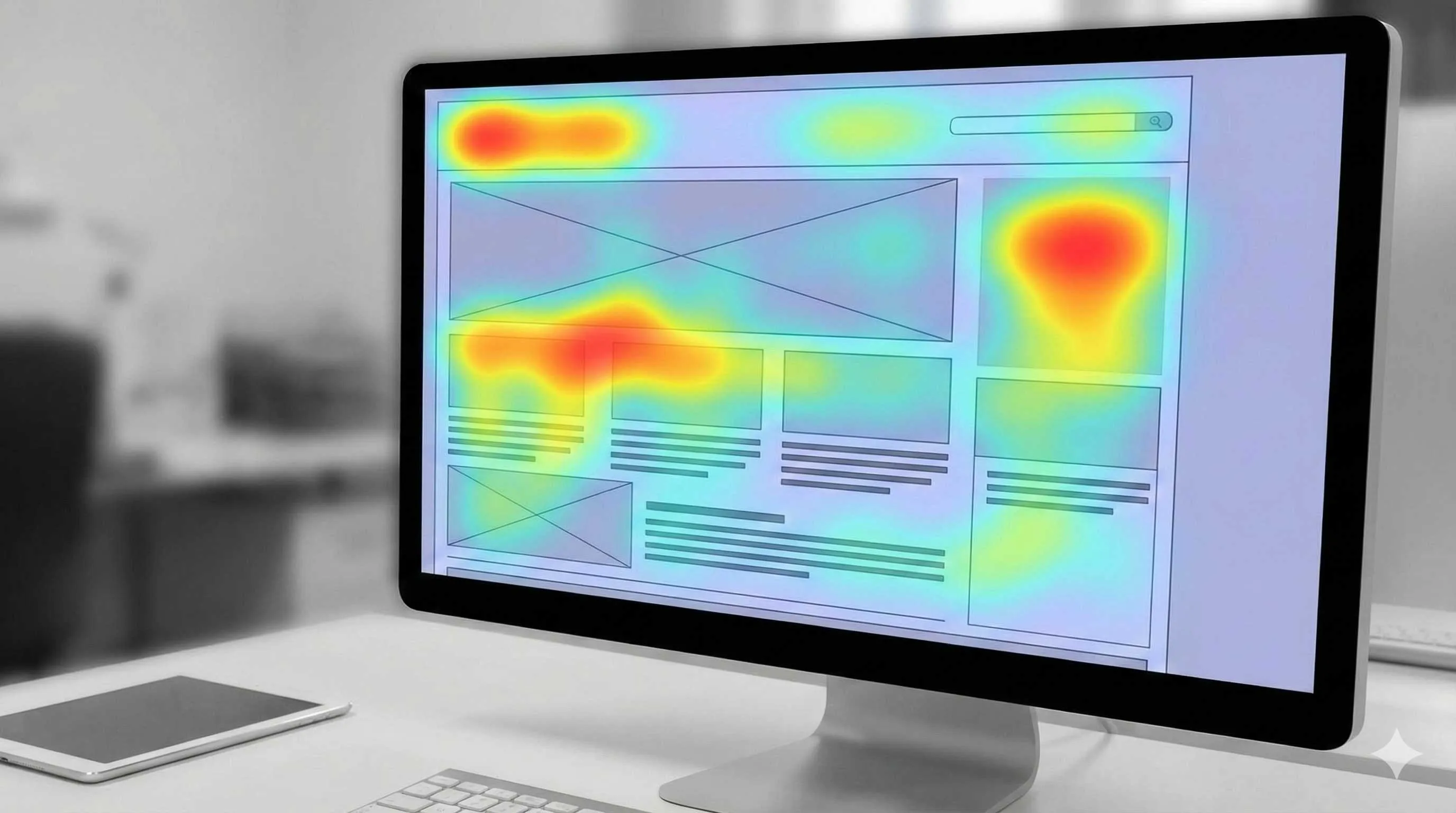
One site had 3k daily visits and 0.3% CTR—all units lived in the desktop sidebar. Ninety percent of traffic was mobile, where that sidebar barely exists. Another kept the same traffic but moved to one unit below the header + two in-article + one before related posts—CTR returned above 2% in two weeks without new articles.
Placement isn’t mysticism; it’s reading flow. This merges the old “placement” and “CTR” pieces: diagnose → move units → tune styles and count → validate in reports → stay clear of manipulative tactics.
1. Diagnose before optimizing
In AdSense reports, split:
- Sitewide CTR and mobile vs desktop.
- Per-unit CTR and revenue share — find high-impression, near-zero-click slots.
- Page type — longreads, tools, and galleries have different healthy CTR bands.
Rough reference (not a promise): many content sites sit around 1–3% sitewide; sustained under ~0.5% often signals layout or match issues. A sudden CTR spike with odd geo/device patterns needs traffic quality review first—not celebration.
2. Why position beats “more slots”
Classic F-pattern scanning: strong top-left, weak bottom-right. Ads in the scroll path outperform edge slots readers never fixate on.

Mobile has no reliable sidebar—in-article is the main game. Desktop can add a mid-sidebar; footer and bottom-sidebar rows are often low CTR and can hurt perceived quality if overused.
3. Recommended layout skeleton
1. Below header (above or just after title)
Everyone passes through—use responsive formats and limit height so the first screen still shows real content.
2. First in-article: after paragraph 2–3
Readers already decided the post is worth reading—less intrusive than paragraph one; often the strongest CTR.
3. Second in-article (~40–60% scroll) for long posts
Skip on short posts; keep several paragraphs between units.
4. After body, before related posts
Natural “what next?” moment—use in-feed or medium rectangle; add visual separation from recommendation lists.

5. Desktop sidebar: upper + optional sticky
Sticky helps exposure on wide screens only—don’t mirror that logic on mobile.
6. Cut “dead” placements
Footer strip, bottom sidebar, nav chrome, between every comment—usually weak; reclaim inventory for high-value positions.
Often 3–4 strong units beat 6–7 weak ones (within policy density for your template).
4. Mobile notes
- Responsive units by default; avoid fixed giants that blow up the first viewport.
- In-article / native formats usually match reading rhythm better than floating boxes.
- Anchor ads: try bottom first; top+bottom together often lifts bounce rate.
- Reserve width/height for ad containers to reduce CLS.
5. Styling: blend in, don’t impersonate
OK: background and borders near your theme; link color matches site links.
Neutral label like “Ad” or “Promoted” where regulations require.
Never: fake download/play/system alerts; “click ads to support us”; stacking tappable UI against ad edges (see invalid traffic and misleading implementation policies).
6. Measure, don’t guess
After changes, watch at least 1–2 weeks (ignore single-day noise):
- Do CTR, RPM, and total revenue move together? CTR up with RPM down can mean accidental clicks.
- Watch policy and invalid traffic messages.
- Cross-check bounce and time on page so you don’t trade long-term readers for short-term taps.
7. Overlap with content risk
High CTR from intent-rich niches (finance, B2B SaaS) can be healthy; high CTR from confusing layout is an account risk. On UGC or tool pages, keep ads away from primary action buttons—define your own safe margin (e.g. ~150px) and test with real devices.
Summary
Put units where eyes already travel; serve mobile with responsive in-article formats; prune weak slots. The rule is simple: you can be close to content—you cannot trick people into clicking.
FAQ
What CTR is "normal"?
First ad before paragraph one?
Keep a sidebar on mobile?
Why did revenue drop after I added more ads?
What gets accounts banned?
4 min read · Published on: Jan 8, 2026 · Modified on: Apr 20, 2026

Google AdSense Complete Guide
If you landed here from search, the fastest way to build context is to jump to the previous or next post in this same series.
Previous
AdSense PIN Not Received? Complete Solution & Manual Verification Guide (2026)
Can't receive your AdSense PIN? This guide covers the complete solution: 3 PIN request attempts, detailed manual verification steps, address optimization tips, and real case timelines. Essential reading for Chinese users to pass address verification 100%.
Part 3 of 20
Next
AdSense Data Analysis in Action: Complete Guide from Understanding Reports to Doubling Revenue
Learn to master AdSense core metrics (CTR/RPM/CPC), discover issues through data, and optimize effectively. Includes 3 real cases: mobile RPM up 108%, revenue increased 73% after removing low-performing ad units, CPC rose 153% through content optimization.
Part 5 of 20
Related Posts
Google AdSense Complete Guide (2026): How Earnings Work, What to Expect, Applying, and First Optimizations

Google AdSense Complete Guide (2026): How Earnings Work, What to Expect, Applying, and First Optimizations
Google AdSense Application & Review: A Complete Checklist to Get Approved (2026)

Google AdSense Application & Review: A Complete Checklist to Get Approved (2026)
AdSense Auto Ads vs Manual Ads: The Ultimate Guide to Balancing Revenue and User Experience

Comments
Sign in with GitHub to leave a comment