Complete OpenClaw WhatsApp Integration Guide: From Configuration to Practice
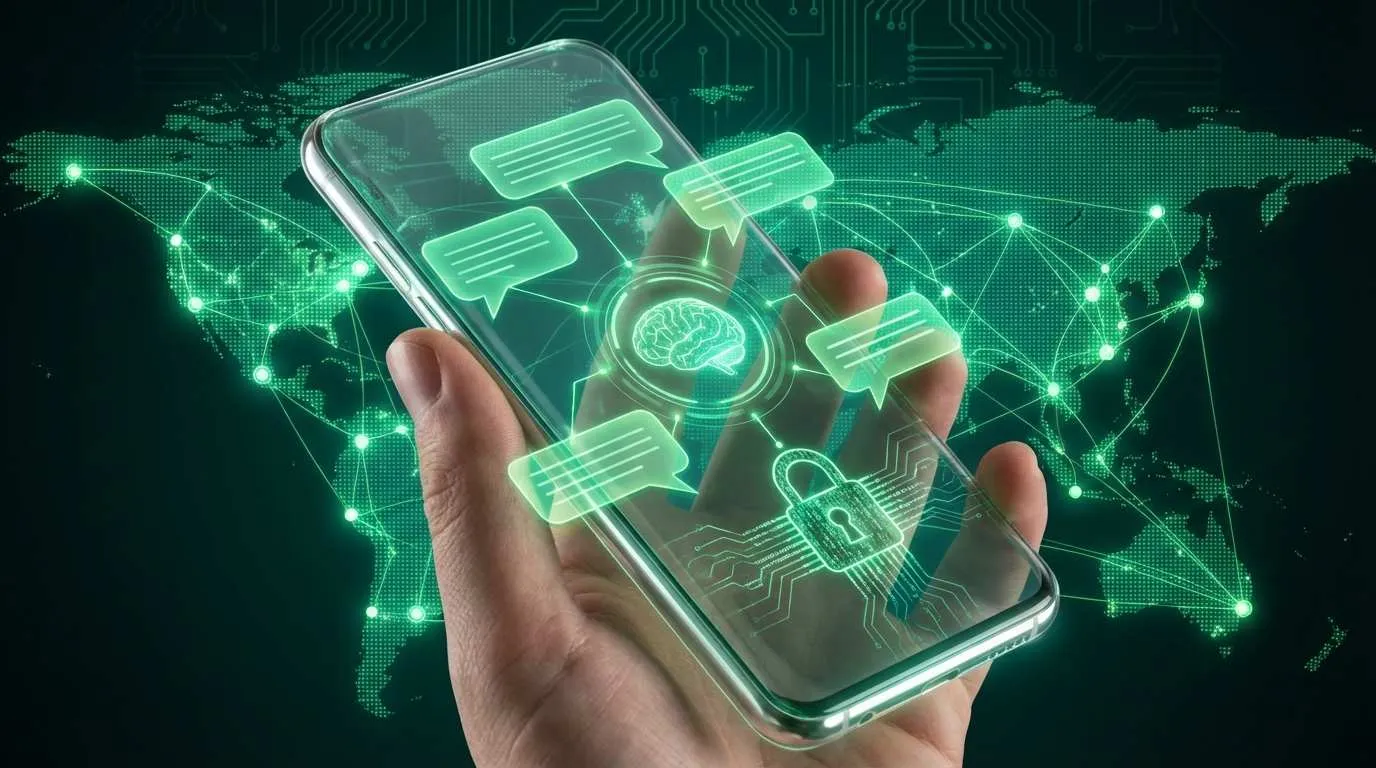
Honestly, the first time I successfully chatted with AI on WhatsApp, it felt pretty magical. My most-used messaging app could suddenly invoke an AI assistant directly, without switching between applications.
If you also want to use OpenClaw on WhatsApp, this article will walk you through the configuration step-by-step. WhatsApp integration is slightly more complex than Telegram, but once you understand the principles, the whole process takes just 5-10 minutes.
Why Integrate AI with WhatsApp?
Before we begin, you might wonder: why not just use Telegram or the Web interface?
Actually, each platform has its own advantages. For me, choosing WhatsApp comes down to a few key reasons:
- Usage habits: WhatsApp is my daily messaging tool, where all my family and friends are
- Seamless integration: No need to open a separate AI app, just ask questions in the chat interface
- Linked Devices: WhatsApp’s multi-device feature is mature and stable
- Privacy control: Data stays on your own server, not passing through third parties
Of course, Telegram has its benefits too, like more open APIs and a richer bot ecosystem. Which one to choose depends on your specific use case.
Preparation: Check Your Environment
Before starting the integration, confirm a few prerequisites:
Required Conditions
- OpenClaw installed and running - If not yet installed, check out the previous installation guide
- WhatsApp account on your phone - Needs to be the primary account for QR code scanning
- Gateway is running - Ensure
openclaw gatewayis started - Stable network - Network connectivity needed during QR code scanning
Technical Note
One detail to note: if you’re using the Bun runtime, you might encounter compatibility issues when connecting WhatsApp or Telegram. The official recommendation is to run the Gateway with Node.js for better stability.
Verify your runtime environment:
# Check Node.js version
node --version

# Confirm Gateway is running
ps aux | grep openclaw
Three Integration Methods
OpenClaw offers three methods to connect WhatsApp. I’ll introduce them in order of recommendation.
Method 1: Onboard Wizard (Simplest)
This is the most straightforward method, suitable for first-time configuration.
If you haven’t completed initial setup, run directly:
openclaw onboard --install-daemonDuring the wizard process, you’ll be asked which messaging channels to connect. Select WhatsApp, then:
- The terminal will display a QR code
- Open WhatsApp on your phone, go to “Settings” → “Linked Devices”
- Tap “Link a Device” and scan the QR code
- After successful scanning, the terminal will show connection completed
The whole process is quick, taking 1-2 minutes. I was pretty nervous the first time I scanned, worried it wouldn’t work, but it connected right away.
Method 2: Channels Login Command
If you’ve already completed onboarding and just want to add the WhatsApp channel separately, use this command:
openclaw channels loginAfter running, here’s what happens:
- Terminal displays QR code (or shows in Web interface)
- Scan with WhatsApp
- Connection established, starts receiving messages
The advantage of this method is it’s quick and direct, without entering the full configuration flow.
Method 3: Web Interface Configuration (Most Flexible)
If you want more granular control over configuration, you can set it up through the Web interface.
Access OpenClaw’s control panel (default is http://localhost:18789), then:
Step 1: Enter Configuration Page
Navigate to Settings → Config, click the RAW button in the upper right, entering the raw configuration editor.
Step 2: Add WhatsApp Configuration
Add WhatsApp configuration in the channels section:
{
  "channels": {
    "whatsapp": {
      "dmPolicy": "allowlist",
      "allowFrom": ["+8613800138000"],
      "groupPolicy": "allowlist",
      "mediaMaxMb": 50,
      "debounceMs": 0
    }
  }
}
Let me explain what these configuration items mean:
- dmPolicy: Direct message policy,
allowlistmeans only whitelist users allowed - allowFrom: Whitelist, fill in your own phone number (international format with country code)
- groupPolicy: Group message policy, setting to
allowlistis safer - mediaMaxMb: Maximum media file size allowed to receive (MB)
- debounceMs: Message debounce delay (milliseconds), usually set to 0
Step 3: Save and Scan
Click the Update button in the upper right to save configuration, then return to the Channels page where you’ll see a QR code. Scan it with WhatsApp.
Detailed Configuration Explanation
Let’s dive deeper into those configuration items mentioned earlier.
Permission Management: Who Can Message Your AI?
dmPolicy and groupPolicy are two critical security configurations.
dmPolicy (Direct Message Policy) has three options:
allowlist: Only numbers on the whitelist can send messages (recommended)denylist: Anyone except blacklist can sendopen: Anyone can send (not recommended unless you know what you’re doing)
I use allowlist myself, only adding my own and family members’ numbers. After all, AI has system access permissions—I don’t want strangers sending random messages.
allowFrom Phone Number Format
Numbers must use international format, including country code:
"allowFrom": [
  "+8613800138000",    // China number
  "+14155552671",      // US number
  "+447700900000"      // UK number
]
Don’t forget the plus sign + and country code, or it won’t be recognized.

groupPolicy (Group Policy)
If you want to use AI in WhatsApp groups, you need to configure group policy. Honestly though, I don’t recommend opening AI permissions in groups unless it’s a completely trusted private group.
You can configure like this:
"groupPolicy": "allowlist",
"allowFrom": ["group-id"]
Group IDs can be found in logs, or set to open first, send a message, then see the ID in logs.
Message Routing: How AI Processes Your Messages
OpenClaw automatically routes WhatsApp messages to the AI model for processing. The flow works like this:
- You send a message on WhatsApp
- OpenClaw Gateway receives the message
- Checks if sender is on whitelist
- If approved, forwards to AI model
- AI generates response
- Response sent to WhatsApp
This process is fast, usually completing within 1-2 seconds (depending on AI model response speed).
Media File Handling
The mediaMaxMb setting determines how large files can be received. The default 50MB is generally sufficient.
Currently supported media types in OpenClaw include:
- Images (JPG, PNG, etc.)
- Audio files
- Documents (PDF, TXT, etc.)
If your AI is configured with vision capabilities (like GPT-4V), it can recognize image content when you send pictures.
QR Code Scanning Steps Explained
Regardless of which method you use, you’ll eventually need to scan a QR code. This step is simple, but there are a few details to note.
Mobile Device Operations
- Open WhatsApp app
- Tap “More options” in the upper right (three dots)
- Select “Linked Devices”
- Tap “Link a Device”
- May need to verify fingerprint or enter password
- When camera opens, aim at the QR code on your computer
Computer-Side Considerations
- QR code validity: QR codes usually expire after 1-2 minutes, refresh and regenerate if scanning fails
- Clarity: Ensure QR code displays clearly, terminal font shouldn’t be too small
- Network: Network connection needed at the moment of scanning, ensure both phone and computer are online
The first time I scanned, the terminal font was too small and the QR code was blurry, taking several attempts to succeed. Later I discovered enlarging the terminal window solved it.
Connection Success Indicators
After successful scanning, you’ll see:
- Mobile side: OpenClaw appears in the “Linked Devices” list
- Computer side: Terminal shows “WhatsApp connected” or similar message
- Web interface: Channels page shows WhatsApp as green (connected)
Testing and Verification
After connection completes, test immediately to ensure everything works.
Send First Message
Send yourself a message on WhatsApp, like:
Hello, can you hear me?If configured correctly, AI should reply within a few seconds. The first time I received a reply, I smiled at my phone screen for a while—so amazing.
Check Different Message Types
Try these operations:
- Text messages: Ask AI a question
- Images: Send an image, have AI describe the content (requires vision model)
- Documents: Send PDF or TXT files
- Voice: If supported, try voice-to-text
Check Logs
If problems occur, checking logs can help troubleshoot:
# View OpenClaw logs
openclaw gateway --port 18789
Logs will show received messages, processing flow, error messages, etc.
Troubleshooting Common Issues
When installing software, problems are inevitable. I’ve listed the pitfalls I’ve encountered and their solutions.
Issue 1: No Response After QR Code Scanning
Possible causes:
- QR code expired
- Network connection issues
- WhatsApp version too old
Solutions:

- Refresh QR code and rescan
- Check network connection on both phone and computer
- Update WhatsApp to latest version
Issue 2: Connection Failed with status=515 Error
This is a fairly common error, specifically mentioned in official documentation.
Full error message:
WhatsApp login failed: status=515 Unknown Stream Errored (restart required)Solutions:
- Return to Settings → Config
- Click Update button in upper right (even if no config changes)
- Return to Channels page to check connection status
- If still not working, restart Gateway
# Restart Gateway
pkill -f openclaw
openclaw gateway --port 18789
Issue 3: Message Sent, AI Doesn’t Reply
Possible causes:
- Sender not on whitelist
- AI model configuration issues
- API key invalid
Troubleshooting steps:
- Check if number format is correct (international format)
- View logs, confirm message was received
- Test if AI responds normally in Web interface
- Verify API key is valid
Issue 4: Permission Denied
Symptoms: After sending message, receive “Permission denied” or no reply
Solutions:
- Confirm your number is in
allowFromlist - Check number format (including country code)
- If group message, check
groupPolicysettings
Issue 5: Cannot Send Media Files
Possible causes:
- File exceeds
mediaMaxMblimit - File format not supported
- Network upload failed
Solutions:
- Increase
mediaMaxMbsetting - Try compressing file
- Check network connection
Issue 6: Disconnected After Gateway Restart
Symptoms: After restarting computer or Gateway, WhatsApp disconnects
Solutions:
- Should automatically reconnect normally
- If not, rerun
openclaw channels login - Rescan to reconnect
- Or check if daemon started properly
Advanced Tips
After basic functionality is set up, you can explore some advanced configurations.
Multi-Device Management
WhatsApp allows multiple devices connected simultaneously. If you have OpenClaw installed on multiple computers, you can connect separately, and messages will sync to all devices.
However note: for the same WhatsApp account, OpenClaw can only connect once. To connect multiple computers, you need different WhatsApp accounts.
Custom Reply Strategy
You can set debounceMs in configuration to control message debouncing:
"debounceMs": 1000This way if you send multiple messages consecutively, AI will wait 1 second before processing them together, avoiding frequent API calls.

Message Filtering
If you want to ignore certain message types, you can set filter rules in Skills configuration. For example, only respond to messages starting with “AI”.
Performance Optimization
If message volume is large, consider:
- Reducing
mediaMaxMblimit to save bandwidth - Adjusting
debounceMsto avoid frequent requests - Using faster AI models
Security Recommendations
After WhatsApp integration, several security considerations are essential:
1. Strictly Control Whitelist
Only add trusted numbers to the allowFrom list. Remember, these numbers can execute system commands through AI (if relevant skills are enabled)—that’s significant permission.
2. Regularly Check Connected Devices
In WhatsApp’s “Linked Devices”, regularly check which devices are online. If you find unrecognized ones, remove immediately.
3. Confirmation for Sensitive Operations
For operations like deleting files or modifying configurations, recommend adding double-confirmation mechanisms in skills to avoid mistakes.
4. Don’t Connect on Public Devices
If in internet cafes, libraries, or other public places, don’t scan to connect WhatsApp. Devices may be monitored, leading to account exposure.
5. Regularly Update OpenClaw
Keep OpenClaw updated to the latest version, ensuring security patches are applied promptly:
npm update -g openclaw
# or
pnpm update -g openclaw
Final Thoughts
Alright, by now you should have successfully integrated WhatsApp with OpenClaw. Let’s recap the process:
OpenClaw WhatsApp Setup Flow
Connecting OpenClaw to WhatsApp for AI chat
⏱️ Estimated time: 15 min
- 1
Step1: Prep
Ensure Gateway is running, phone ready.
Gateway must be accessible (no firewall blocking). - 2
Step2: Start
Run openclaw channels login.
Or use Web UI Config -> Channels. - 3
Step3: Auth
Set allowFrom whitelist with international number format (e.g. +1...).
Must set dmPolicy: "allowlist". - 4
Step4: Link
Phone WhatsApp -> Linked Devices -> Scan QR.
Ensure stable network connection. - 5
Step5: Verify
Send message to AI to test response.
Check if status is green in Web UI.
WhatsApp vs Telegram: How to Choose?
If you’re still torn about which platform to use, here’s some advice:
Choose WhatsApp if:
- WhatsApp is your primary daily communication tool
- Need to share AI with family and friends
- Value the stability of Linked Devices
Choose Telegram if:
- Want more open API capabilities
- Need to use bot ecosystem
- Have requirements for channels and group features
Honestly, you can configure both. OpenClaw supports multi-channel simultaneous operation—you can integrate both WhatsApp and Telegram, choosing the appropriate platform for specific scenarios.
What to Do Next?
After successful connection, you can:
- Explore OpenClaw’s Skills feature to add more AI capabilities
- Try sending images and documents to test multimodal functionality
- Research custom reply logic
- If interested, develop your own skill plugins
One last reminder: while WhatsApp integration is convenient, pay attention to security. Carefully manage the whitelist, don’t open AI permissions to untrusted people.
Have fun, and check documentation or ask the community if you have questions!
FAQ
No response after scan?
Ensure network connectivity on both sides.
Error Status 515?
Go to Web UI Config page, click Update (no edits needed), or restart Gateway.
AI not replying?
Ensure it's whitelisted in allowFrom.
Support group chats?
Use with caution.
10 min read · Published on: Feb 5, 2026 · Modified on: Mar 23, 2026

Related Posts
Agent Sandbox Guide: A Complete Solution for Safely Running AI Code

Agent Sandbox Guide: A Complete Solution for Safely Running AI Code
AI Coding Tools Landscape 2026: From Copilot to the Agent Era

AI Coding Tools Landscape 2026: From Copilot to the Agent Era
Computer-Use Agent: Let AI Operate Your Computer

Comments
Sign in with GitHub to leave a comment