
Continuum:OpenAI 互換 Agent Runtime を選ぶときに見るべき能力
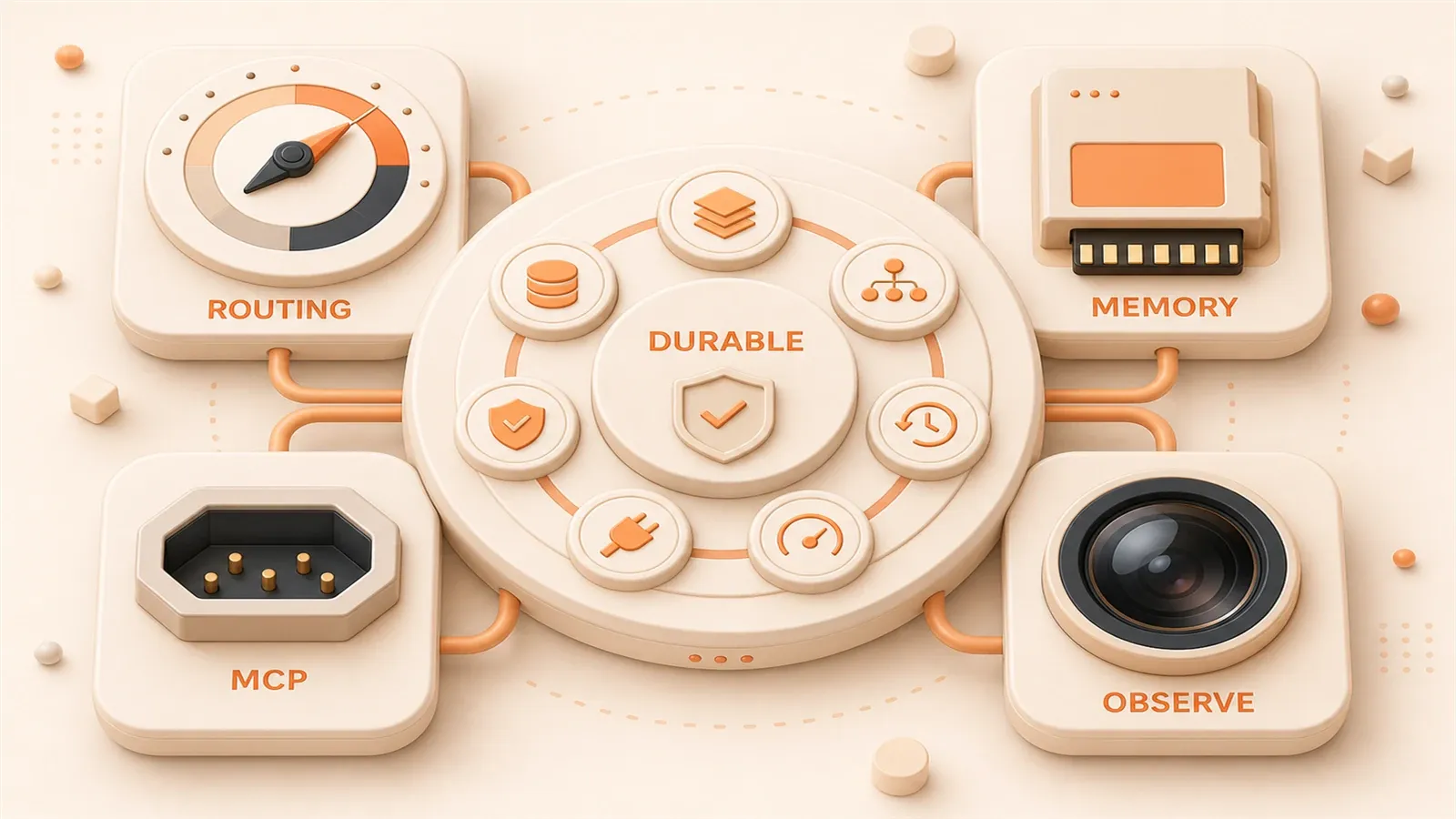
"Continuum 公式 docs は、positioning、Python 3.13、Smart Inference、MCP-native tools、Temporal durable workflows、Langfuse tracing、9 種類の multi-agent patterns を説明しています。"
"Continuum の GitHub repository は、installation、API、module names、project maturity を確認する主要な一次情報です。"
"MCP の tool ecosystem は変化が速いため、server 数や主要 vendor の採用状況に触れるときは保守的な表現にし、定期的に見直す必要があります。"
あなたの agent はまだ notebook の中で動いていますか? それは多くの場合、本番向け runtime が足りていないサインです。framework はたくさんあります。LangGraph、CrewAI、AutoGen、DeepAgents。名前は聞いたことがあっても、実際の選定ではどの観点を見るべきでしょうか。
Continuum は ShyftLabs が出している企業向け agent runtime です。位置づけは明確で、「出荷する人」のためのもの。prototype tool でも notebook のおもちゃでもなく、multi-agent collaboration、cost control、durable execution、observability といった本番に必要な能力を、type-safe API の背後にまとめる Python framework です。
どの agent runtime を評価するときも、軸は 7 つです。オーケストレーションパターン、モデルルーティング、メモリシステム、ツール標準、永続化実行、可観測性、デプロイガバナンス。Continuum はあくまで例ですが、完全な選定 framework こそが判断材料になります。
位置づけ:Continuum とは何か、なぜ例にするのか
Agent runtime の役割は、「きれいな agent core + multi-model reasoning + stateful memory + tool calling + durable execution + observability」を、組み合わせ可能な production system としてまとめることです。
Continuum では、この 6 つの能力がそれぞれ runtime の構成要素として現れます。
- typed agent core(
BaseAgent、AgentRunner) - multi-model inference(公式は 250+ models / 45+ providers 対応と説明)
- 短期/長期 memory(Redis session history + mem0 vector memory)
- MCP tool の native support
- Temporal durable workflow
- Langfuse tracing による observability
選定時に、Continuum が唯一の答えというわけではありません。ただし、本番向け runtime が持つべき能力 stack を示す、まとまった例にはなります。
選定 framework:Agent Runtime を評価する 7 つの核心能力
オーケストレーションと multi-agent パターン
オーケストレーション能力は runtime の中心的な判断点です。multi-agent collaboration を支えられるか。どの pattern を支えるか。
Continuum は 9 種類の multi-agent pattern を提供します。
| Pattern | 用途 |
|---|---|
| sequential | 複数 agent を順番に実行 |
| parallel | 独立 task を並列実行 |
| loop | 条件を満たすまで反復 |
| routing | 入力に応じて別 agent へ routing |
| planning | goal を subtask に分解 |
| reflection | agent が自分の出力を見直して改善 |
| debate | 複数 agent が議論して decision を競う |
| scatter | task を分配し、結果を集約 |
| supervised | 重要な node に監督や human review を入れる |
選定時の問い:あなたの scenario にはどの pattern が必要ですか? runtime はそれを支えますか?
agent が single-thread の順次実行だけでよいなら、sequential pattern で足ります。しかし並列 task、agent 間の協議、重要 node の human approval が必要なら、parallel、debate、supervised のような pattern を支えるかを見る必要があります。LangGraph のオーケストレーション実践は LangGraph の state 管理実践 も参考になります。

モデル接続とコストルーティング
最初の問いは model independence です。OpenAI、Claude、Llama、local model など複数 model を扱えるか。OpenAI 互換か。
Continuum の設計では、agent は 1 つの OpenAI 互換 endpoint を呼びます。その背後で Smart Inference が、公式説明では 250+ models の間を複雑さと cost に応じて routing します。この設計には重要な概念があります。
- single endpoint:agent は具体的な model を意識せず、
SMART_GATEWAY_URLだけを呼ぶ - classifier routing:Smart Inference が task complexity と cost budget に応じて model を選ぶ
- budget ledger:dynamic output limit により token explosion を防ぐ
- quality tier:agent ごとに strict / modest / quality などの quality tier を切り替えられる
選定時の問い:runtime は cost-aware routing を持っていますか? agent ごとに quality tier を分けられますか?
cost control は「節約できるか」だけの話ではありません。「請求が暴走しないか」の問題です。multi-model call、long-running task、繰り返し reflection する agent は、budget cap と cost routing がないと想定以上に token を消費します。
メモリシステム:短期 session + 長期 vector memory
memory は agent の context 基盤です。短期 session history は現在の conversation 用で、長期 vector memory は session をまたぐ retrieval に使います。
Continuum の実装は次のとおりです。
- 短期:Redis session history(session module)
- 長期:mem0 + Qdrant/Milvus vector memory(memory module)
選定時の問い:短期と長期を分けていますか? vector database integration は柔軟ですか?
agent が現在の conversation history だけを必要とするなら、Redis や in-memory state で十分です。しかし user preference、過去の decision、project document を session 間で retrieve したいなら、runtime が vector memory integration を持つか、Qdrant、Milvus、Chroma などの vector DB を差し替えられるかを見る必要があります。memory system の設計は Agent memory system design も参考になります。
ツール標準:MCP native support
tool calling は agent の手足です。では、どの protocol を使うべきでしょうか。
MCP(Model Context Protocol)は、AI agent の tool integration における重要な standard になっています。MCP は JSON-RPC transport を使い、Tools / Resources / Prompts という 3 つの primitive を提供します。
Continuum の実装は、MCP server native support と、統一された ToolExecutor interface です。
選定時の問い:runtime は MCP native ですか? それとも custom API ですか?
MCP native であれば、filesystem、database、API tool など既存の MCP server を直接使いやすくなります。独自の tool protocol adapter を書く必要が減ります。runtime が custom API を使うなら、別の tool interface standard を保守することになり、ecosystem 拡張の cost が上がります。MCP Server 開発の入口は MCP Server 開発入門 も参考になります。

永続化実行と human review
long-running task には永続化が必要です。checkpoint からの復旧、人間の承認(approval gate)です。
Continuum は Temporal durable workflow を使い、次を支えます。
- checkpoint recovery:task が中断したあと、中断点から続行
- approval gate:重要 node では人間の承認を待ってから続行
選定時の問い:runtime は durable execution を持っていますか? human review で中断し、再開できますか?
agent task が数時間動く可能性がある、または送金、公開、承認のような重要 decision を扱うなら、durable execution と human review は本番必須です。そうでなければ、network の揺れや timeout で task 全体が失われたり、agent が止まるべき場所で走り続けたりします。
可観測性:tracing、metrics、error reporting
agent の execution chain は長いため、observability は本番必須です。
Continuum は Langfuse tracing を統合し、次を提供します。
- execution trace(各 agent、各 model call、各 tool call)
- metrics(latency、cost、success rate)
- error reporting(exception、timeout、failed node)
選定時の問い:runtime は tracing integration を持っていますか? error tracking はどの程度できますか?
tracing のない agent system は、本番では black box です。どの node が遅いのか、どの model call が失敗したのか、どの tool call が timeout したのかが見えません。問題調査は log grep に戻ってしまいます。monitoring と recovery design については AI Agent の監視、alert、失敗復旧 も参考になります。
デプロイとガバナンス:self-hosting、cloud independence、enterprise compliance
deployment model は self-hosted、cloud-independent です。
Continuum は enterprise-grade、self-hosted という位置づけです。Docker、Redis、vector DB、Temporal、Langfuse に依存し、これらは自社 infrastructure 上で動かせます。
選定時の問い:runtime は self-hosting を支えますか? enterprise governance design を持っていますか?
project に「data を社外に出せない」という要件がある、または audit、compliance record が必要なら、self-hosting は hard constraint になります。runtime が特定 cloud platform の managed service に強く依存する場合、data compliance を満たせないことがあります。
能力 checklist:Continuum の complete capability table
選定時は、この表を使って Continuum の能力も、他の runtime の能力も照らし合わせます。

| Module | Capability | Implementation | Selection question |
|---|---|---|---|
| agent core | typed agent、BaseAgent、AgentRunner | Python type safety | typed design があるか? |
| multi-agent orchestration | 9 種類の pattern(sequential/parallel/routing など) | orchestrator.agent | 複数の orchestration pattern を支えるか? |
| model routing | Smart Inference cost-aware routing | single endpoint + classifier routing | cost control mechanism があるか? |
| memory | short-term session + long-term vector memory | Redis + mem0 + Qdrant/Milvus | 短期と長期を分けているか? |
| tools | MCP server native support | unified ToolExecutor interface | MCP native か? |
| durable execution | Temporal workflow、checkpoint recovery | temporal module | durable execution があるか? |
| observability | tracing、metrics、error reporting | Langfuse integration | tracing integration があるか? |
| deployment | self-hosted、cloud-independent | Docker + Redis + vector database | self-hosting を支えるか? |
この表は Continuum の product introduction ではありません。選定 framework です。各行が 1 つの観点であり、それぞれが選定時の問いに対応します。
類似 framework との比較:Continuum は ecosystem のどこにあるか
2026 年の agent runtime ecosystem で主な選択肢は次のとおりです。
| Framework | Production readiness | Cost routing | MCP support | Durable execution | Positioning |
|---|---|---|---|---|---|
| LangGraph | 高い | native ではなし | integration が必要 | あり | graph-based runtime、ecosystem が成熟 |
| DeepAgents | 高い | LangGraph を継承 | integration が必要 | あり | LangGraph + LangChain ベースの battery-included harness |
| Continuum | 高い | Smart Inference | native | Temporal | enterprise self-hosting、cost routing が特徴 |
| CrewAI | 中程度 | なし | integration が必要 | なし | simple multi-agent orchestration |
| OpenAI Swarm | 低い(experimental) | なし | なし | なし | lightweight experiment、本番向けではない |
Continuum の独自性は、Smart Inference の cost routing、MCP native support、enterprise self-hosting の組み合わせです。
選定時、production readiness では LangGraph と DeepAgents のほうが mature です。一方、Continuum は cost routing と MCP native の設計に特徴があります。scenario が cost-sensitive で、MCP tool ecosystem を必要とするなら、Continuum の設計は検討する価値があります。LangGraph と AutoGen の state tracking 比較は LangGraph vs AutoGen state tracking も参考になります。
上手コストと risk
dependency list
Continuum は「pip install だけで終わり」の軽量 framework ではありません。enterprise runtime には infrastructure requirement があります。
- Python 3.13+
- Docker
- Redis(session history)
- Qdrant / Milvus(vector memory)
- Temporal(durable workflow)
- Langfuse(observability)
installation example
# インストール
git clone https://github.com/shyftlabs/continuum
cd continuum
python3.13 -m venv .venv && source .venv/bin/activate
pip install -e ".[dev]"
docker compose up -d
echo "SMART_GATEWAY_URL=https://continuum.shyftops.io/v1" >> .env

# 最小構成の形
python - <<'PY'
from orchestrator.agent import BaseAgent
from orchestrator.agent.runner import AgentRunner

agent = BaseAgent(
    name="assistant",
    instructions="You are a helpful assistant.",
    model="gpt-4o-mini",
)

# 実際の project では、async runner、session、memory、gateway configuration を公式 docs に従って使う
PY注意点として、docker compose up -d が起動するのは local infrastructure の一部です。production deployment では Temporal、Langfuse、provider key、network permission の追加設定が必要です。細部は公式 documentation を source of truth にしてください。
向いている scenario
- enterprise project:cost control、durability、observability が必要
- self-hosting requirement:data を社内に残し、cloud independence が必要
- multi-agent collaboration:複数の orchestration pattern が必要
- cost-sensitive workload:Smart Inference routing が必要
risk note
- new-project risk:2026-06 時点で GitHub stars は約 70+。API や module name は変わる可能性があります。
- cost claim の検証:250+ models / 45+ providers は project-stated figures であり、実測確認が必要です。
- boundary limitation:Temporal、Langfuse に依存するため、lightweight scenario には向きません。
- documentation dependency:command は最小例にとどめ、詳細は official docs に委ねます。
まとめ:自分の Agent Runtime 選定 framework を作る
agent runtime の選定で見る軸は 7 つです。
- オーケストレーションパターン:multi-agent collaboration を支えるか。sequential / parallel / routing / planning / reflection など、どの pattern が必要か。
- モデルルーティング:cost-aware mechanism があるか。請求の暴走を防げるか。
- メモリシステム:短期と長期を分けているか。vector DB integration は柔軟か。
- ツール標準:MCP native か。既存の MCP server ecosystem を使えるか。
- 永続化実行:checkpoint recovery と human approval を支えるか。
- 可観測性:tracing integration があるか。error tracking はどこまでできるか。
- デプロイガバナンス:self-hosted、cloud-independent か。enterprise compliance need に対応できるか。
Continuum は、production runtime stack の例として役立ちます。9 種類の multi-agent pattern、Smart Inference cost routing、MCP native support、Temporal durable execution、Langfuse tracing を示しているからです。ただし、選定は模倣ではありません。自分の scenario の重みに合わせて、LangGraph、DeepAgents、CrewAI と比較してください。
次の step は、自分の scenario requirement を書き出し、この 7 つの観点で runtime ごとに照合することです。
agent runtime が本番に向いているか評価する方法
Continuum を参照例にして、agent runtime が demo から本番へ進めるかを 7 つの観点で確認します。
⏱️ 目安時間: 30 分
- 1
ステップ 1: オーケストレーションパターンを確認する
sequential、parallel、routing、planning、reflection、debate、supervised execution などの協調モードが必要かを洗い出します。 - 2
ステップ 2: モデルルーティングと予算を確認する
OpenAI 互換 endpoint、複数 provider の routing、品質 tier、task ごとの予算上限を runtime が持っているか確認します。 - 3
ステップ 3: 短期メモリと長期メモリを分ける
現在の session 履歴、session をまたぐ preference、project knowledge、削除可能な memory を分けて設計します。ベクトル DB 対応の有無だけで判断しないことが重要です。 - 4
ステップ 4: ツールプロトコルを確認する
後から独自 tool protocol を保守しなくて済むように、MCP ネイティブ、または MCP と安定して接続できる runtime を優先します。 - 5
ステップ 5: 失敗復旧と人間の承認を検証する
provider timeout、worker restart、tool の 500 応答、approval pause を意図的に起こし、task が安全に recover、degrade、pause できるか確認します。
FAQ
Continuum とは何ですか?
agent runtime を選ぶとき、特に何を見るべきですか?
Continuum の Smart Inference はなぜ有用ですか?
Continuum は軽量な agent project に向いていますか?
導入前に agent runtime をどう検証すればよいですか?
7分で読めます · 公開日: 2026年6月8日 · 更新日: 2026年7月30日

AI Agent ツールボックス: Codex、Claude Code、Skills、gateway
このページはシリーズの最初の記事です。次の記事へ進むか、シリーズ全体ページで全体像を確認できます。


コメント
GitHubアカウントでログインしてコメントできます