
Continuum: OpenAI 호환 agent runtime을 고를 때 확인할 역량
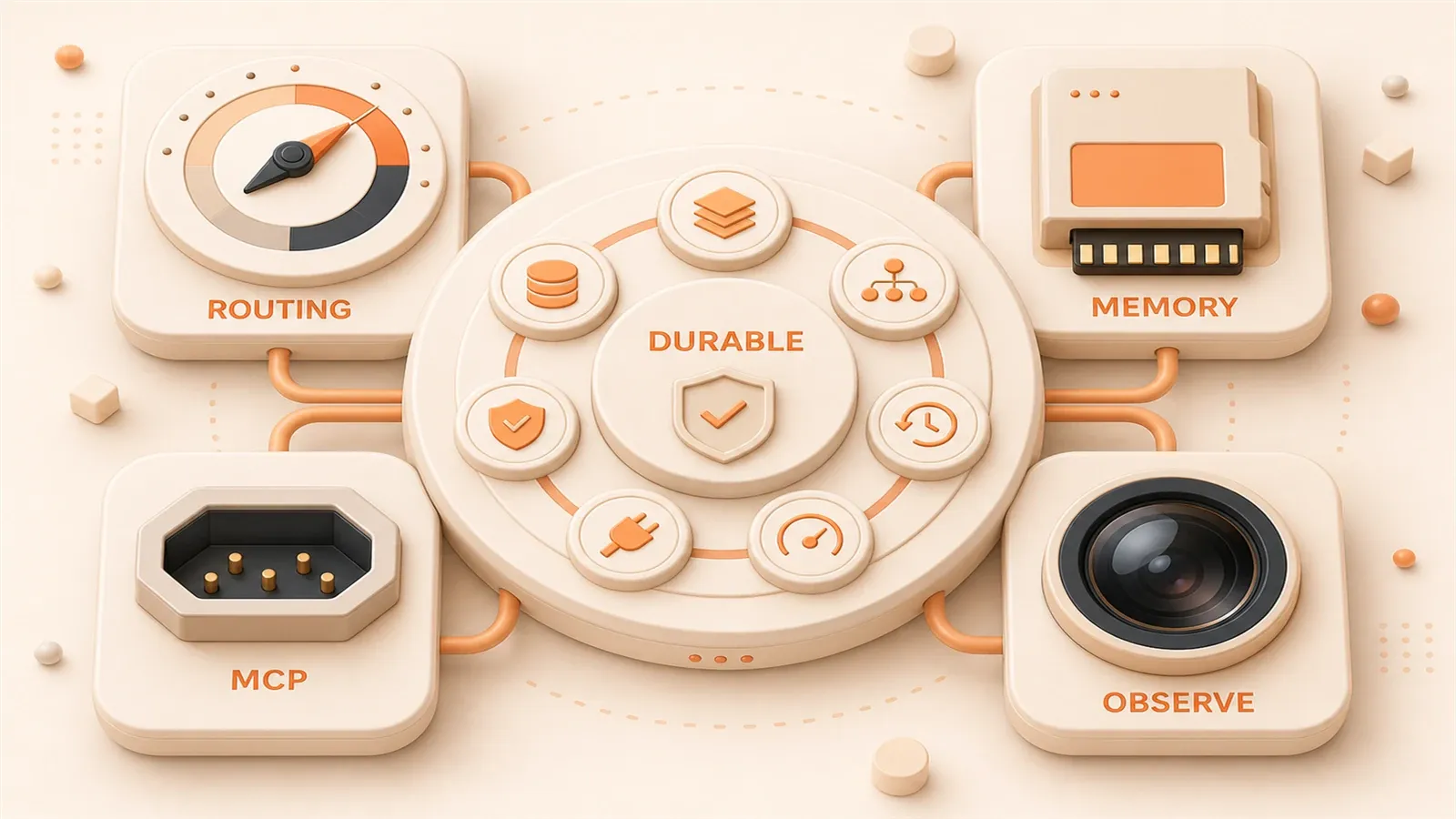
"Continuum 공식 docs는 positioning, Python 3.13, Smart Inference, MCP-native tools, Temporal durable workflows, Langfuse tracing, 9가지 multi-agent patterns를 설명합니다."
"Continuum GitHub repository는 installation, API, module names, project maturity를 확인하는 주요 1차 정보입니다."
"MCP tool ecosystem은 빠르게 변하므로 server 수와 주요 vendor 채택을 말할 때는 보수적으로 표현하고 정기적으로 다시 확인해야 합니다."
당신의 agent가 아직 notebook 안에서만 돌고 있나요? 그렇다면 프로덕션급 runtime이 빠져 있을 가능성이 큽니다. framework는 많습니다. LangGraph, CrewAI, AutoGen, DeepAgents처럼 이름은 익숙하지만, 실제 선택에서는 어떤 기준을 볼지가 더 중요합니다.
Continuum은 ShyftLabs가 만든 엔터프라이즈 agent runtime입니다. 포지션은 분명합니다. 실제로 배포하고 운영해야 하는 사람을 위한 도구입니다. prototype tool도, notebook 장난감도 아닙니다. multi-agent collaboration, cost control, durable execution, observability를 type-safe API 뒤에 묶어 주는 Python framework입니다.
어떤 agent runtime을 평가하든 핵심은 7가지입니다. 오케스트레이션 패턴, 모델 라우팅, 메모리 시스템, 도구 표준, 지속 실행, 관측 가능성, 배포 거버넌스입니다. Continuum은 하나의 예시일 뿐이지만, 완성된 선택 framework가 의사결정의 기준이 되어야 합니다.
포지셔닝: Continuum은 무엇이고 왜 예시로 볼 만한가
Agent runtime의 역할은 “깔끔한 agent core + multi-model reasoning + stateful memory + tool calling + durable execution + observability”를 조합 가능한 production system으로 묶는 것입니다.
Continuum은 이 6가지 역량을 비교적 온전하게 보여 줍니다.
- typed agent core(
BaseAgent,AgentRunner) - multi-model inference(프로젝트는 250+ models / 45+ providers 지원을 설명)
- 단기/장기 memory(Redis session history + mem0 vector memory)
- MCP tool native support
- Temporal durable workflow
- Langfuse tracing 기반 observability
선택할 때 Continuum이 유일한 답은 아닙니다. 다만 production runtime이 가져야 할 capability stack을 보여 주는 온전한 예시입니다.
선택 framework: Agent Runtime을 평가하는 7가지 핵심 역량
오케스트레이션과 multi-agent 패턴
오케스트레이션 역량은 runtime의 핵심 판단 지점입니다. multi-agent collaboration을 지원하는가? 어떤 pattern을 지원하는가?
Continuum은 9가지 multi-agent pattern을 제공합니다.
| Pattern | 용도 |
|---|---|
| sequential | 여러 agent를 순서대로 실행 |
| parallel | 독립 task를 병렬 실행 |
| loop | 조건을 만족할 때까지 반복 |
| routing | 입력에 따라 다른 agent로 라우팅 |
| planning | goal을 subtask로 분해 |
| reflection | agent가 자기 결과를 검토하고 개선 |
| debate | 여러 agent가 경쟁하거나 협의해 decision 도출 |
| scatter | task를 분산하고 결과를 모아 정리 |
| supervised | 핵심 node에 감독과 human review 추가 |
선택 질문: 당신의 scenario에는 어떤 pattern이 필요하고, runtime이 이를 지원하나요?
agent가 single-thread 순차 실행만 필요하다면 sequential pattern으로 충분할 수 있습니다. 하지만 병렬 task, agent 간 협의, 핵심 node에서 human approval이 필요하다면 parallel, debate, supervised 같은 pattern을 지원하는지 봐야 합니다. LangGraph 오케스트레이션 실전은 LangGraph 상태 관리 실전도 참고할 수 있습니다.

모델 접근과 비용 라우팅
첫 질문은 model independence입니다. OpenAI, Claude, Llama, local model처럼 여러 model을 지원하나요? OpenAI와 호환되나요?
Continuum의 설계는 agent가 하나의 OpenAI 호환 endpoint만 호출하는 방식입니다. 그 뒤에서 Smart Inference가 공식 설명 기준 250+ models 사이에서 복잡도와 cost에 따라 routing합니다. 이 설계에는 몇 가지 핵심 개념이 있습니다.
- single endpoint: agent는 구체적인 model을 의식하지 않고
SMART_GATEWAY_URL만 호출 - classifier routing: Smart Inference가 task complexity와 cost budget에 따라 model 선택
- budget ledger: dynamic output limit으로 token 폭증 방지
- quality tier: agent별로 strict / modest / quality 같은 quality tier 전환 가능
선택 질문: runtime에 cost-aware routing이 있나요? agent별로 quality tier를 나눌 수 있나요?
Cost control은 “돈을 아낄 수 있나”만의 문제가 아닙니다. “청구서가 통제 밖으로 나가지 않게 막을 수 있나”의 문제입니다. multi-model call, long-running task, 반복 reflection을 하는 agent는 budget cap과 cost routing이 없으면 예상보다 훨씬 많은 token을 쓸 수 있습니다.
메모리 시스템: 단기 session + 장기 vector memory
memory는 agent의 context 기반입니다. 단기 session history는 현재 conversation에 쓰이고, 장기 vector memory는 session을 넘는 retrieval에 쓰입니다.
Continuum의 구현은 다음과 같습니다.
- 단기: Redis session history(session module)
- 장기: mem0 + Qdrant/Milvus vector memory(memory module)
선택 질문: 단기와 장기를 분리하나요? vector database integration이 유연한가요?
agent가 현재 conversation history만 필요하다면 Redis나 in-memory state로 충분합니다. 하지만 user preference, 과거 decision, project document를 session 간 retrieve해야 한다면 runtime이 vector memory integration을 지원하는지, Qdrant, Milvus, Chroma 같은 vector DB를 바꿀 수 있는지 확인해야 합니다. memory system 설계는 Agent memory system design도 참고할 수 있습니다.
도구 표준: MCP native support
tool calling은 agent의 손발입니다. 어떤 protocol을 써야 할까요?
MCP(Model Context Protocol)는 AI agent tool integration에서 중요한 standard가 되고 있습니다. MCP는 JSON-RPC transport를 사용하고 Tools / Resources / Prompts라는 3가지 primitive를 제공합니다.
Continuum의 구현은 MCP server native support와 통합 ToolExecutor interface입니다.
선택 질문: runtime은 MCP native인가요? 아니면 custom API인가요?
MCP native라면 filesystem, database, API tool 같은 기존 MCP server를 직접 쓰기 쉽습니다. 자체 tool protocol adapter를 따로 작성할 필요가 줄어듭니다. runtime이 custom API를 쓴다면 또 하나의 tool interface standard를 유지해야 하고, ecosystem 확장 cost가 올라갑니다. MCP Server 개발 입문은 MCP Server 개발 입문도 참고할 수 있습니다.

지속 실행과 human review
long-running task에는 지속성이 필요합니다. checkpoint recovery와 사람 승인(approval gate)입니다.
Continuum은 Temporal durable workflow를 사용하며 다음을 지원합니다.
- checkpoint recovery: task가 중단된 뒤 중단 지점부터 계속 실행
- approval gate: 핵심 node에서 사람 승인을 기다린 뒤 계속 진행
선택 질문: runtime에 durable execution이 있나요? human review로 흐름을 중단하고 다시 시작할 수 있나요?
agent task가 몇 시간 실행될 수 있거나 송금, 게시, 승인 같은 중요한 decision을 다룬다면 durable execution과 human review는 프로덕션 필수입니다. 그렇지 않으면 network 흔들림이나 timeout으로 전체 task를 잃거나, agent가 멈춰야 할 지점에서 계속 진행할 수 있습니다.
관측 가능성: tracing, metrics, error reporting
agent execution chain은 길기 때문에 observability는 프로덕션 필수입니다.
Continuum은 Langfuse tracing을 통합하고 다음을 제공합니다.
- 각 agent, 각 model call, 각 tool call의 execution trace
- latency, cost, success rate 같은 metrics
- exception, timeout, failed node에 대한 error reporting
선택 질문: runtime에 tracing integration이 있나요? error tracking은 어느 수준인가요?
tracing이 없는 agent system은 프로덕션에서 black box입니다. 어느 node가 느린지, 어떤 model call이 실패했는지, 어떤 tool call이 timeout됐는지 알 수 없습니다. 문제 조사는 log grep으로 돌아갑니다. monitoring과 recovery design은 AI Agent 모니터링, alert, 실패 복구도 참고할 수 있습니다.
배포와 거버넌스: self-hosting, cloud independence, enterprise compliance
deployment model은 self-hosted, cloud-independent입니다.
Continuum은 enterprise-grade, self-hosted로 포지셔닝합니다. Docker, Redis, vector DB, Temporal, Langfuse에 의존하며, 모두 자체 infrastructure에서 실행할 수 있습니다.
선택 질문: runtime은 self-hosting을 지원하나요? enterprise governance design이 있나요?
project에 data를 회사 밖으로 내보낼 수 없다는 요구가 있거나 audit, compliance record가 필요하다면 self-hosting은 hard constraint가 됩니다. runtime이 특정 cloud platform의 managed service에 강하게 의존한다면 data compliance를 만족하지 못할 수 있습니다.
역량 checklist: Continuum의 전체 능력표
선택할 때 이 표로 Continuum의 역량과 다른 runtime의 역량을 함께 비교합니다.

| Module | Capability | Implementation | Selection question |
|---|---|---|---|
| agent core | typed agent, BaseAgent, AgentRunner | Python type safety | typed design이 있는가? |
| multi-agent orchestration | sequential/parallel/routing 등 9가지 pattern | orchestrator.agent | 여러 orchestration pattern을 지원하는가? |
| model routing | Smart Inference cost-aware routing | single endpoint + classifier routing | cost control mechanism이 있는가? |
| memory | short-term session + long-term vector memory | Redis + mem0 + Qdrant/Milvus | 단기와 장기를 분리하는가? |
| tools | MCP server native support | unified ToolExecutor interface | MCP native인가? |
| durable execution | Temporal workflow, checkpoint recovery | temporal module | durable execution을 지원하는가? |
| observability | tracing, metrics, error reporting | Langfuse integration | tracing integration이 있는가? |
| deployment | self-hosted, cloud-independent | Docker + Redis + vector database | self-hosting을 지원하는가? |
이 표는 Continuum product introduction이 아닙니다. 선택 framework입니다. 각 행은 하나의 관점이고, 각 관점은 선택 질문에 대응합니다.
유사 framework 비교: Continuum은 ecosystem에서 어디에 있는가
2026년 agent runtime ecosystem의 주요 선택지는 다음과 같습니다.
| Framework | Production readiness | Cost routing | MCP support | Durable execution | Positioning |
|---|---|---|---|---|---|
| LangGraph | 높음 | native 아님 | integration 필요 | 있음 | graph-based runtime, ecosystem이 성숙 |
| DeepAgents | 높음 | LangGraph를 계승 | integration 필요 | 있음 | LangGraph + LangChain 기반 battery-included harness |
| Continuum | 높음 | Smart Inference | native | Temporal | enterprise self-hosting, cost routing이 특징 |
| CrewAI | 중간 | 없음 | integration 필요 | 없음 | simple multi-agent orchestration |
| OpenAI Swarm | 낮음, experimental | 없음 | 없음 | 없음 | lightweight experiment, production용 아님 |
Continuum의 차별점은 Smart Inference cost routing + MCP native support + enterprise self-hosting 조합입니다.
선택할 때 production readiness 측면에서는 LangGraph와 DeepAgents가 더 mature합니다. 반면 Continuum은 cost routing과 MCP native 설계가 돋보입니다. scenario가 cost-sensitive하고 MCP tool ecosystem이 필요하다면 Continuum의 설계는 검토할 가치가 있습니다. LangGraph와 AutoGen의 state tracking 비교는 LangGraph vs AutoGen state tracking도 참고할 수 있습니다.
시작 비용과 risk
dependency list
Continuum은 pip install 한 번으로 끝나는 가벼운 framework가 아닙니다. enterprise runtime에는 infrastructure requirement가 있습니다.
- Python 3.13+
- Docker
- Redis(session history)
- Qdrant / Milvus(vector memory)
- Temporal(durable workflow)
- Langfuse(observability)
installation example
# 설치
git clone https://github.com/shyftlabs/continuum
cd continuum
python3.13 -m venv .venv && source .venv/bin/activate
pip install -e ".[dev]"
docker compose up -d
echo "SMART_GATEWAY_URL=https://continuum.shyftops.io/v1" >> .env

# 최소 구성 형태
python - <<'PY'
from orchestrator.agent import BaseAgent
from orchestrator.agent.runner import AgentRunner

agent = BaseAgent(
    name="assistant",
    instructions="You are a helpful assistant.",
    model="gpt-4o-mini",
)

# 실제 project에서는 async runner, session, memory, gateway configuration을 공식 docs에 따라 사용합니다.
PY
주의할 점은 docker compose up -d가 local infrastructure 일부만 시작한다는 것입니다. production deployment에는 Temporal, Langfuse, provider key, network permission 추가 설정이 필요합니다. 세부 사항은 공식 documentation을 source of truth로 삼아야 합니다.
적합한 scenario
- cost control, durability, observability가 필요한 enterprise project
- data를 회사 안에 남겨야 하고 cloud independence가 필요한 self-hosting requirement
- 여러 orchestration pattern이 필요한 multi-agent collaboration
- Smart Inference routing이 필요한 cost-sensitive workload
risk note
- new-project risk: 2026-06 기준 GitHub stars 약 70+이며 API나 module name이 바뀔 수 있습니다.
- cost claim 검증: 250+ models / 45+ providers는 project-stated figures이며 실제 테스트가 필요합니다.
- boundary limitation: Temporal, Langfuse에 의존하므로 lightweight scenario에는 맞지 않습니다.
- documentation dependency: command는 최소 예시에 그치고, 세부 사항은 official docs에 맡깁니다.
정리: 나만의 Agent Runtime 선택 framework 만들기
agent runtime 선택의 핵심은 7가지입니다.
- 오케스트레이션 패턴: multi-agent collaboration을 지원하는가? sequential / parallel / routing / planning / reflection 같은 pattern 중 무엇이 필요한가?
- 모델 라우팅: cost-aware mechanism이 있는가? 청구서 폭주를 막을 수 있는가?
- 메모리 시스템: 단기와 장기를 분리하는가? vector DB integration은 유연한가?
- 도구 표준: MCP native인가? 기존 MCP server ecosystem을 쓸 수 있는가?
- 지속 실행: checkpoint recovery와 human approval을 지원하는가?
- 관측 가능성: tracing integration이 있는가? error tracking은 어디까지 가능한가?
- 배포 거버넌스: self-hosted, cloud-independent인가? enterprise compliance need에 대응할 수 있는가?
Continuum은 production runtime stack의 예시로 유용합니다. 9가지 multi-agent pattern, Smart Inference cost routing, MCP native support, Temporal durable execution, Langfuse tracing을 보여 주기 때문입니다. 하지만 선택은 모방이 아닙니다. 자신의 scenario 가중치에 맞춰 LangGraph, DeepAgents, CrewAI와 비교하세요.
다음 step은 자신의 scenario requirement를 적고, 이 7가지 관점으로 각 runtime을 대조하는 것입니다.
agent runtime이 프로덕션에 적합한지 평가하는 방법
Continuum을 참고해 agent runtime이 demo에서 production으로 갈 수 있는지 7가지 관점으로 확인합니다.
⏱️ Estimated time: 30 min
- 1
Step 1: 오케스트레이션 패턴 확인
sequential, parallel, routing, planning, reflection, debate, supervised execution 같은 협업 모드가 필요한지 정리합니다. - 2
Step 2: 모델 라우팅과 예산 확인
runtime이 OpenAI 호환 endpoint, multi-provider routing, quality tier, task별 budget limit을 지원하는지 확인합니다. - 3
Step 3: 단기 메모리와 장기 메모리 분리
현재 session history, session 간 preference, project knowledge, 삭제 가능한 memory를 따로 설계합니다. 벡터 DB 지원 여부만으로 판단하지 않는 것이 중요합니다. - 4
Step 4: 도구 프로토콜 검토
나중에 사설 tool protocol을 유지하지 않도록 MCP 네이티브이거나 MCP와 안정적으로 연결할 수 있는 runtime을 우선합니다. - 5
Step 5: 실패 복구와 사람 승인 검증
provider timeout, worker restart, tool의 500 응답, approval pause를 의도적으로 만들고 task가 안전하게 recover, degrade, pause되는지 확인합니다.
FAQ
Continuum은 무엇인가요?
agent runtime을 고를 때 무엇을 가장 중요하게 봐야 하나요?
Continuum의 Smart Inference는 왜 유용한가요?
Continuum은 가벼운 agent project에 적합한가요?
도입 전에 agent runtime을 어떻게 검증해야 하나요?
5분 읽기 · 게시일: 2026년 6월 8일 · 수정일: 2026년 7월 14일


댓글
GitHub로 로그인하여 댓글을 남기세요